
Last Updated: November 21, 2026
Quick Summary
The right DIY carbon cleaning method depends on where deposits sit: fuel additives ($10-$30) only reach injectors and the combustion chamber, aerosol intake cleaners ($15-$40) handle throttle body and mild valve carbon, and walnut-shell blasting ($100-$300) is the only DIY method that removes hard carbon from direct-injection intake valves. Additives cannot clean direct-injection valves because fuel never touches them.
Carbon buildup starts as a thin film and hardens into a crust that robs your engine of power and fuel mileage. The problem is worst on modern direct injection engines. In a port injection engine, fuel sprays over the intake valves and washes them clean. In a direct injection engine, fuel sprays straight into the cylinder, so the valves never get that wash. Carbon deposits bake onto the intake valves and stay there.
Deposits collect in three main spots. Each one needs a different approach:
The U.S. Department of Energy's fuel economy guidance makes one point clear: a poorly running engine wastes fuel. Clean intake air and proper combustion are part of that picture.
Every DIY engine carbon cleaning method in 2026 falls into three families: fuel additives, aerosol intake cleaners, and abrasive media. Each works on a different part of the engine, and none cleans everything. Picking the wrong one wastes money and can leave hard deposits untouched.
To compare them fairly, use the same criteria across the board: what the method can physically reach, how effective it is on soft versus hard carbon, what it costs in tools and supplies, how long the job takes, what access it requires, and what can go wrong. Here is how the three families stack up on those criteria:
| Method | What it can reach | Effectiveness on soft soot | Effectiveness on hard baked-on carbon | Typical tool and supply cost | Time for a DIYer | Access required | Main risk |
|---|---|---|---|---|---|---|---|
| Fuel additives | Fuel injectors, combustion chamber, some fuel-system sensors | Moderate | Low | $10-$30 per bottle | Minutes (pour and drive) | None | Cannot reach intake valves on direct injection; overuse can foul plugs or sensors |
| Aerosol intake cleaner | Throttle body, intake manifold, mild intake-valve carbon | High | Low to moderate | $15-$40 per can plus basic hand tools | 30-60 minutes | Remove intake tube; sometimes throttle body | Hydrolock if liquid pools; solvent damage to sensors and seals; loose carbon entering cylinders |
| Walnut-shell blasting | Intake valves and ports (direct injection) | High | High | $100-$300 for media and blasting tool; may need shop air | 2-4 hours for a first-timer | Remove intake manifold; access to intake ports | Media entering cylinders; valve damage if valves are not closed; requires careful setup |
| Manual scraping and brushes | Throttle body, accessible intake ports | Moderate | Moderate | $10-$30 for brushes and scrapers | 30-90 minutes | Remove intake tube or manifold | Scratched aluminum; debris falling into engine |
Engine type changes the answer. On a port injection engine, fuel sprays over the intake valves and washes them continuously, so intake-valve carbon is rarely the main problem. Fuel additives and an aerosol intake cleaner cover most of what a DIYer can reach. On a direct injection engine, fuel sprays straight into the cylinder and never touches the back of the intake valves, so additives cannot clean the valves no matter what the bottle claims.
Cost and time trade-offs. Fuel additives are the cheapest and fastest but have the narrowest reach. Aerosol cleaners cost more and take an afternoon but reach the intake tract. Walnut-shell blasting costs the most and takes the longest, but it is the only DIY method that reliably removes hard carbon from direct-injection intake valves. If you are not sure which engine you have, check the owner's manual or look for the fuel injector location: port injection has injectors in the intake manifold, direct injection has them in the cylinder head.
For a deeper look at each option, our guide on the best ways to clean engine carbon walks through the full process.
Typical tool and supply cost of DIY carbon cleaning methods
There is no single best engine cleaner for carbon buildup. The right choice depends on your engine type and where the carbon sits. Match the cleaner to the deposit, not to the label on the bottle.
Watch out: a "one-bottle-fixes-all" additive cannot clean intake valves on a direct injection engine, because the fuel never reaches them. Buying one and expecting valve cleanup is the most common wasted purchase we hear about. Since an additive in the fuel tank cannot reach those valves, it is worth separating that limitation from what an engine oil additive guide can help you assess about oil-side deposits.
This engine decarbonization procedure covers a safe aerosol intake cleaning. It suits a throttle body and light intake carbon on both port-injection and direct-injection engines. Work on a cold engine, in a ventilated space, and keep a fire extinguisher nearby.
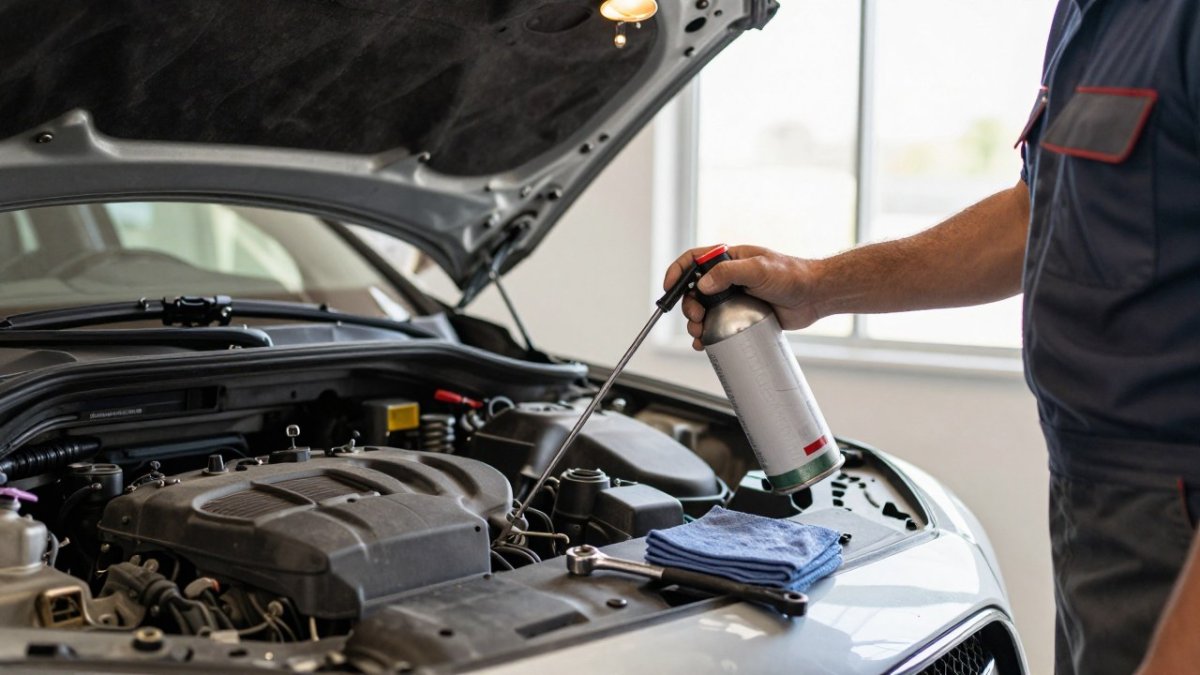
Step 1: Disconnect the air intake. Loosen the clamp and pull the intake tube off the throttle body. On some engines you may need to remove a resonance box or air box lid for access.
Step 2: Spray in short bursts. Follow the can directions. Have your helper hold the engine at a steady fast idle while you spray. Keep the nozzle moving and spray in one- to two-second bursts rather than a continuous stream.
Step 3: Let it soak. Shut the engine off and let the cleaner work for the time the label states. Do not leave the intake open longer than necessary; cap or cover it if the soak is long.
Step 4: Restart and clear it out. Start the engine and let it idle. Expect some smoke and soot from the tailpipe. If the engine runs rough or stalls, stop and investigate before continuing.
Step 5: Reassemble and test drive. Refit the intake tube and take a short drive. Recheck that all vacuum lines and clamps are secure.
Engine-specific notes. On a direct-injection engine, this procedure reaches the throttle body and intake manifold but will not remove hard carbon from the back of the intake valves.
Verification. You cannot judge a carbon cleaning by feel alone. Before and after the procedure, record fuel mileage over three tanks, note any idle or misfire codes with a scan tool, and check spark plugs for soot.
Every cleaning method carries some risk, and knowing them keeps you out of trouble. The disadvantages of engine carbon cleaning are real, not theoretical.
If you are weighing an HHO kit and worried about harm, our article on whether HHO kits damage engines covers the safety questions directly. Watch out: never pour liquid cleaner straight into a running engine. Hydrolock can bend a rod.
Prevention beats cleaning every time. To stop carbon buildup in an engine, focus on habits that keep combustion clean. The U.S. EPA's vehicle maintenance tips point to regular maintenance as a core way to keep emissions and performance in check.
Our DIY guide to reducing vehicle carbon emissions lays out the full set of habits that keep deposits down over the life of the engine.
You cannot judge a carbon cleaning by feel alone. Verify results with before-and-after data. Record fuel mileage over three tanks, note any idle or misfire codes, and check spark plugs for soot before and after. A Consumer Federation of America guide to evaluating fuel-saving products is a useful reminder to demand real evidence, not marketing claims.
If you want ongoing help keeping carbon down after a manual cleaning, an HHO kit is the next step. Our article on whether an HHO generator cleans carbon explains what HHO can and cannot do. The H2XTRME small-engine HHO kit is built to install with just two electrical terminals and two hose connections. Its chemically welded, permanently sealed container uses internal plate retainers that eliminate gaskets, and the H2XTRME generator carries a Limited Lifetime warranty.
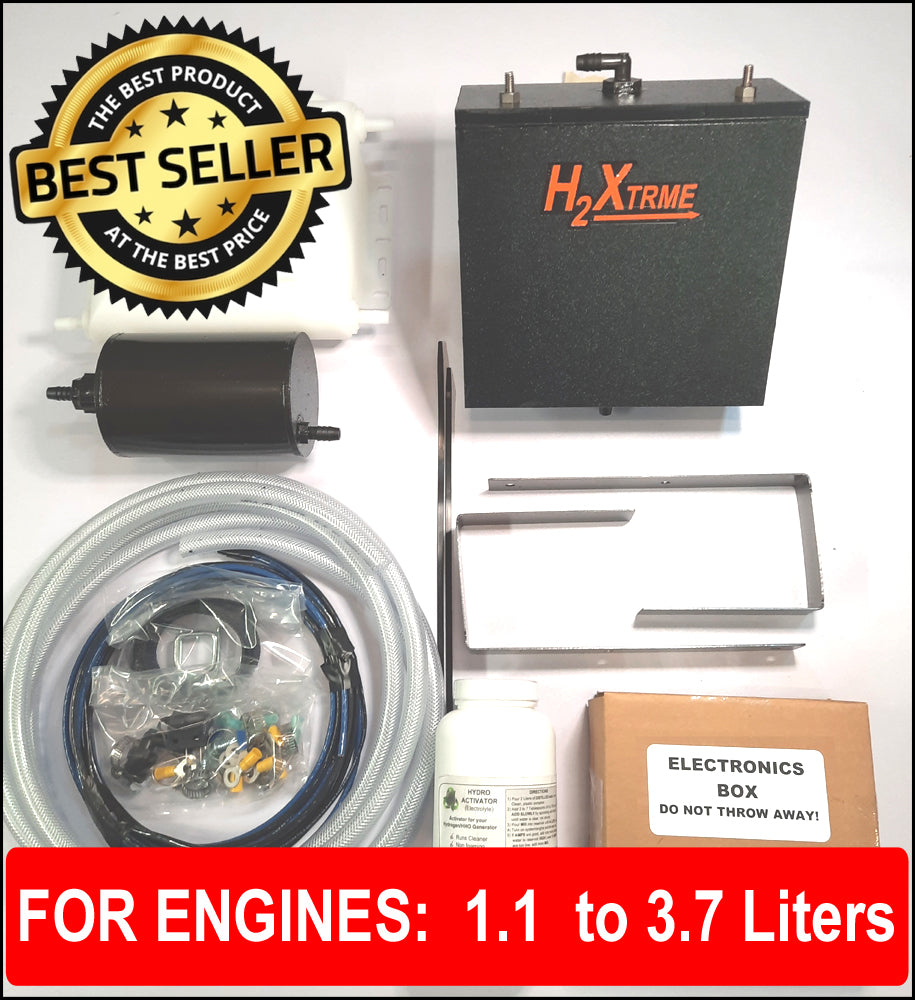
Carbon comes back. The engine that idles rough today will idle rough again in a few thousand miles unless you change how it burns fuel. Our 5th generation H2XTRME kits are designed to act as a combustion catalyst to help your engine run cleaner while reducing fuel consumption and emissions. Each kit is designed for simplified installation with two electrical terminals and two hose connections, and its chemically welded, permanently sealed container uses internal plate retainers that eliminate gaskets. Learn more about this technology to see how it fits your vehicle.
It depends on where the deposits sit. Fuel additives and aerosol intake cleaners work on light deposits in the intake tract and combustion chamber. For heavy carbon on intake valves in direct-injection engines, walnut-shell blasting is the most thorough DIY-accessible mechanical method, though it requires specialized adapters. No single method cleans every surface, so matching the tool to the deposit location matters more than brand loyalty.
Yes, for light to moderate deposits. Aerosol intake cleaners, fuel additives, and throttle body cleaning are realistic garage jobs with basic hand tools. Walnut-shell blasting is doable at home if you buy or rent the adapter kit and have a compressor. Heavy cylinder-head or piston-top deposits usually warrant professional teardown, since a mistake there can score cylinder walls or bend valves.
Hand it to a shop if you see misfire codes, low compression, or oil consumption that points to severe deposits, or if your engine uses direct injection and the intake valves have never been cleaned. Also go professional if you lack a torque wrench, a compressor, or a safe space to run solvents. The disadvantages of engine carbon cleaning done wrong include hydrolock, damaged catalytic converters, and dislodged debris scoring cylinder walls.
Use the fuel grade your owner's manual specifies, change oil on schedule with the right specification, and take periodic highway runs long enough to reach full operating temperature. Short trips that never warm the engine fully are a major contributor. For direct-injection engines, a preventive intake cleaner every 15,000 to 30,000 miles helps, and addressing PCV system health early stops oil vapor from feeding the deposits.

Subscribe to our newsletter and always be the first to hear about what is happening.
© 2026 HHOKitsDirect.com
Designed by Out of the Sandbox. Powered by Shopify


Note and Disclaimer: Hydrogen or Hydroxy gas and hydrogen cells are experimental technologies, results vary depending on application success is not guaranteed.

Editorial Team
Author