
Last Updated: September 23, 2026
Will HHO kits damage engines? In most cases, no, they don't. But the answer depends on how the kit is built, installed, and maintained. A properly tuned system works as a combustion catalyst rather than a destructive add-on.
An HHO generator uses water electrolysis to split distilled water into HHO gas, also called hydrogen-oxygen gas. That gas feeds into the air intake and mixes with your fuel. The goal is a cleaner, more complete burn.
Here's the catch most guides skip: the gas itself isn't the risk. The real risk is what happens to your engine's sensors and wiring when the system is set up wrong. We'll break down exactly where those risks live, and how to avoid every one of them.
The stoichiometric ratio is the ideal air-to-fuel mix for complete combustion. For gasoline, that's about 14.7 parts air to 1 part fuel. Add HHO gas and you shift that balance.
HHO gas burns fast and hot. It helps ignite more of the fuel that would otherwise exit as unburned vapor. Many drivers find their engine runs smoother and their fuel economy improves once the mix is dialed in.
But the ratio matters. Too much HHO and the engine runs lean. Too little and you see no gain at all.
Hydrogen injection raises combustion efficiency by speeding up the flame front inside the cylinder. A faster burn means less leftover fuel and fewer deposits.
The practical result? Cleaner pistons, less carbon buildup, and better thermal efficiency over time. That's the whole point of running an HHO system.
The risks from HHO kits are real but narrow, and they almost never come from the hydrogen itself. They come from how a hydrogen-oxygen stream interacts with a closed-loop fuel system that was never designed to see extra oxygen in the exhaust. That distinction matters, because it explains why two identical kits can leave one truck running clean for 100,000 miles and throw a check engine light on another within a week.
There are four failure paths worth understanding: sensor feedback, ECU fuel trim, corrosion, and wiring. Each one has a specific mechanism, and each one is preventable.
This is the part most guides skip, and it is the single biggest variable in whether an HHO kit causes problems.
A carbureted engine from the 1970s or 1980s has no feedback loop. It delivers fuel based on mechanical metering, so extra oxygen in the intake simply leans out the mixture. There is no computer to fight back, no fuel trim to correct, and no monitor to set a code. HHO on a carbureted engine is mostly a tuning exercise.
A port fuel injection (PFI) engine from roughly 1987 through the mid-2000s uses an oxygen sensor in the exhaust to trim fuel. It reacts to HHO, but slowly, and an EFIE or MAF tuner can usually keep the ECU satisfied.
A modern direct injection (DI) engine is the hardest case. DI injects fuel directly into the cylinder at 2,000 to 3,000 psi or higher, often in multiple pulses per combustion event, and it runs stratified charge under light load. The ECU is managing injection timing, injection quantity, and often valve timing simultaneously. Adding an unmetered combustible gas to the intake changes the burn rate in a way the calibration did not anticipate. DI engines are the ones most likely to develop rough idle, misfire codes, or long-term fuel trim drift when an HHO kit is installed without a tuner.
If you drive a gasoline direct injection vehicle, treat the tuner as mandatory, not optional.
Your upstream oxygen sensor measures oxygen content in the exhaust and reports it to the ECU. The ECU compares that reading to its target and adjusts fuel injector pulse width. This is called fuel trim, and it is the loop that HHO kits disturb.
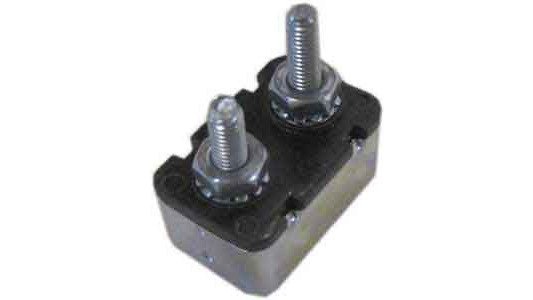
40 Amp Auto resetting breaker for hho →
Here is the chain:
If the trim correction exceeds roughly 20 to 25 percent in either direction, most ECUs will set a P0171 (lean) or P0174 (lean, bank 2) code and illuminate the check engine light.
The corrosion concern with HHO kits is legitimate, but it is usually aimed at the wrong component. The cylinder walls and piston rings are not the primary worry. The real exposure is upstream and downstream of the engine.
An HHO generator is a resistive load on your charging system. A typical cell draws 15 to 30 amps continuously while the engine runs. That is on top of everything else the alternator is already powering.
Safe installation comes down to two systems: power and plumbing. Get both right and the kit runs clean for years.
What You'll Need:

HHO generator maintenance tips are simple, but skipping them is what shortens engine life. The system needs a few minutes of attention each month.
| Maintenance Task | Frequency | Why It Matters |
|---|---|---|
| Check water level | Weekly | Prevents overheating and amp spikes |
| Rinse generator plates | Every few months | Stops buildup and keeps gas output steady |
| Inspect hoses and clamps | Monthly | Catches leaks before they reach the intake |
| Check amp reading | Every drive | Flags current draw problems early |
| Test electrolyte strength | Monthly | Keeps current draw in the safe range |
The best fuel saving kits for trucks share a few traits: sealed generator bodies, simple wiring, and real current control. Skip the flashy claims and check the build.
Look for these features:
HHO kits offer real benefits, but they aren't magic. Here's the honest breakdown.

Pros:
Cons:
No, HHO kits do not inherently cause overheating. The hydrogen and oxygen gas produced by the generator is introduced into the intake air stream, which can actually improve combustion efficiency and reduce peak temperatures slightly. However, if the kit is installed incorrectly, such as restricting airflow or causing an excessively lean air-fuel mixture, overheating could occur. Proper installation with a PWM controller and an EFIE tuner helps maintain safe operating conditions.
Yes, hydrogen injection can affect oxygen sensors and mass airflow sensors. The extra oxygen in HHO gas may cause the oxygen sensor to read a lean condition, prompting the ECU to add more fuel. This is why an EFIE (Electronic Fuel Injection Enhancer) is often used to adjust sensor signals and maintain the correct air-fuel ratio. Without such tuning, sensor interference can lead to poor fuel economy or error codes.
They can be safe if installed with the right components. Modern fuel-injected engines rely on precise sensor data, so you need an EFIE/ MAF ADVANCED GAS TUNER for HHO kits or the New programmable PRO SERIES Gas and Diesel Tuner for HHO kits to prevent sensor spoofing issues. Additionally, using a 40 AMP PWM power controller for HHO kits and a 40 amp auto resetting breaker for hho kits protects the electrical system from excessive current draw. Following proper installation steps and using quality parts from a reputable supplier reduces risks significantly.
Regular maintenance includes checking the electrolyte solution level and concentration, cleaning the generator plates to prevent scale buildup, and inspecting hoses and wiring for wear. Using a 40 AMP PWM power controller for HHO kits helps manage current draw and reduces heat. If your system repeatedly trips a 40 amp auto resetting breaker for hho kits, it may have too much activator in the solution, requiring adjustment or the addition of more water to the reservoir.

Subscribe to our newsletter and always be the first to hear about what is happening.
© 2026 HHOKitsDirect.com
Designed by Out of the Sandbox. Powered by Shopify


Note and Disclaimer: Hydrogen or Hydroxy gas and hydrogen cells are experimental technologies, results vary depending on application success is not guaranteed.
Editorial Team
Author