
Last Updated: September 19, 2026
The push to improve engine performance 2026 is colliding with the toughest emissions rules the auto industry has faced, and that collision is reshaping how enthusiasts approach every bolt-on and tune. This guide from HHOKitsDirect covers what actually works today, from intake and exhaust flow to data-driven calibration, and where hydrogen-assisted combustion fits into the picture.
Here's the tension nobody resolves cleanly: manufacturers keep shrinking displacement and adding forced induction to hit efficiency targets, while regulators keep tightening what comes out of the tailpipe. The result is that the internal combustion engine has never been more efficient, and never been harder to modify without triggering a check engine light or a failed emissions test.
That's the throughline for everything below. Mechanical upgrades still matter, but in 2026 they only pay off when paired with software calibration and diagnostic monitoring. The enthusiasts getting real gains understand that, and the ones chasing horsepower alone usually end up with a car that runs worse than it did stock.
An HHO generator kit is a small on-board electrolysis unit that introduces hydrogen and oxygen gas into the intake air stream, where it acts as a combustion catalyst rather than a primary fuel. For modern engines, the practical benefits are cleaner combustion, less carbon buildup, and more complete burning of the fuel already entering the cylinder.
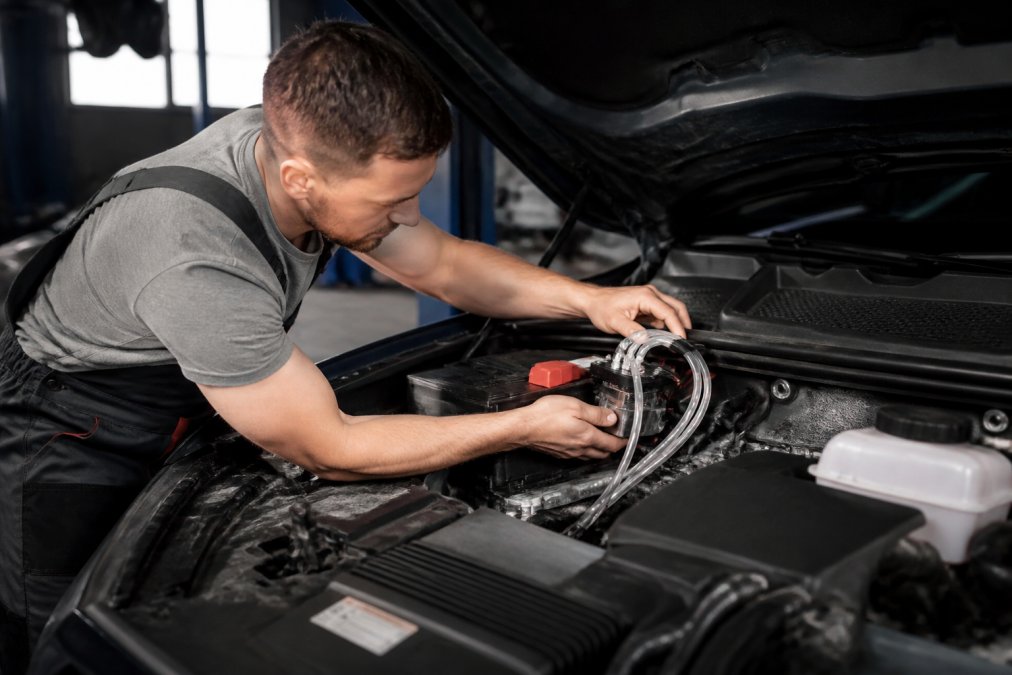
The appeal is straightforward for anyone who puts serious miles on a vehicle. A combustion catalyst doesn't add stress to the powertrain the way a big turbo or aggressive tune does. It works with the engine's existing combustion cycle, encouraging a more complete burn that leaves less unburned fuel and carbon behind.
A common mistake is expecting a device like this to behave like forced induction. It won't. What it can do is support engine longevity, reduce maintenance frequency over time, and lower the emissions load your catalytic converter has to manage. Those are steady, cumulative benefits, not a dyno-day headline.
HHOKitsDirect builds its kits around 5th generation H2XTRME technology, with a chemically welded, permanently sealed container and internal plate retainers that eliminate gaskets.
The fastest way to increase fuel efficiency without losing power is to fix what's robbing you of both: restricted airflow, lazy ignition, and a combustion chamber coated in carbon. Address those three, and efficiency and performance stop being a trade-off. The reason is thermodynamic: an engine converts a fixed fraction of the fuel's energy into work, and the rest leaves as heat, unburned fuel, or pumping losses.
Start with the basics that cost nothing:
The upgrades worth doing yourself are the ones that improve airflow, ignition, and combustion without requiring a dyno or a dealer visit. Most take an afternoon in a driveway with basic hand tools. What separates a build that gains power from one that loses it is understanding the mechanism behind each part and how the ECU will react.
Here's a practical sequence, ordered by effort and payoff:
read more here to understand this technology →
Hybrid-ICE integration is the practice of tuning the internal combustion side of a hybrid powertrain so the engine and electric motor work together instead of fighting each other. It's the angle most performance guides still ignore, and it's where the biggest untapped gains sit in 2026.
Emissions compliance is the constraint that separates a legal build from one that fails inspection, and in 2026 it deserves to be a design input rather than an afterthought. The second angle competitors skip is that a cleaner-burning engine and a compliant engine are usually the same engine.
Data-driven tuning means logging what the engine actually does, then adjusting based on evidence instead of guesswork. An inexpensive OBD-II scanner and a phone app give you more useful information than most enthusiasts ever use.
Watch these signals:
The challenge in 2026 is that engine performance now demands compliance, calibration, and monitoring working together, not just a bigger part bolted on. Mechanical upgrades still matter, but they only pay off when the data supports them and the emissions systems stay intact.
Start with the basics: replace dirty air filters, use synthetic oil, and check spark plugs. Then consider an HHO generator kit, which acts as a combustion catalyst to clean carbon deposits and improve fuel burn. Other options include ECU tuning, exhaust upgrades, and weight reduction. Combine several methods for the best results, and always monitor your engine's health with an OBD-II scanner.
A cold air intake and a performance chip are among the most affordable bolt-on upgrades, often adding 5-15 horsepower. For older vehicles, a simple tune-up (new plugs, wires, and filters) can restore lost power. HHO generator kits offer a budget-friendly way to improve combustion efficiency, which can free up horsepower while reducing fuel consumption. Avoid expensive internal engine work unless you have a specific goal.
Stick to modifications that are easily reversible and don't alter the ECU's core programming. HHO generator kits from HHOKitsDirect are designed as add-on systems that don't interfere with factory electronics, and they come with a limited lifetime warranty on the generator. Always check your vehicle's warranty terms and consult a dealer if unsure. Simple maintenance like synthetic oil changes and high-flow air filters are also safe bets.
Yes, when implemented correctly. Hydrogen injected into the intake stream accelerates combustion, leading to a more complete burn of the gasoline. This can reduce carbon buildup, improve fuel efficiency, and lower emissions. HHOKitsDirect's 5th generation H2XTRME technology uses a sealed generator to produce hydrogen on demand, and real customer mileage charts show measurable MPG gains. It's not a magic bullet, but it's a proven supplementary system.
Absolutely. Most bolt-on upgrades like air intakes, exhaust systems, and HHO kits are legal as long as they don't remove emissions control devices. Check your state's inspection rules; some areas require CARB-compliant parts. HHOKitsDirect's HHO kits are designed to reduce emissions, which can help you pass smog tests. Always keep your original parts so you can revert if needed.
By promoting a cleaner burn, HHO kits reduce carbon deposits on valves, pistons, and sensors. Less carbon means less wear and tear over time. The hydrogen also helps keep the oil cleaner, which extends engine life. HHOKitsDirect's chemically welded, permanently sealed generator is built to last, and the limited lifetime warranty backs that up. Regular maintenance is still required, but many users report smoother operation at high mileage.

Subscribe to our newsletter and always be the first to hear about what is happening.
© 2026 HHOKitsDirect.com
Designed by Out of the Sandbox. Powered by Shopify


Note and Disclaimer: Hydrogen or Hydroxy gas and hydrogen cells are experimental technologies, results vary depending on application success is not guaranteed.
Editorial Team
Author