
Last Updated: September 28, 2026
An HHO generator produces hydrogen and oxygen gas through electrolysis, then feeds that gas into the engine's air intake. Once inside the combustion chamber, the hydrogen acts as a combustion catalyst that helps burn carbon deposits more completely rather than letting them accumulate as soot.

The mechanism is straightforward.
Recognizing engine carbon buildup symptoms early saves money. Most drivers notice rough idle stability, hesitation under light throttle, and a drop in fuel economy before any warning light appears.
Watch for these signs:
Hydrogen cleaning sits between two extremes: cheap chemical additives you pour into the tank, and expensive shop services that physically blast carbon out.
| Method | Cost Profile | Reach | Best For |
|---|---|---|---|
| Fuel additives | Low, repeated | Fuel path only | Mild maintenance |
| Shop engine flush | High, one-time | Oil system | Sludge, not carbon |
| Walnut blasting | High, one-time | Intake valves | Severe DI deposits |
| HHO generator | One-time kit cost | Combustion chamber, valves | Ongoing prevention |
For a high-mileage engine, the honest answer is: it depends on what is actually wrong. Carbon cleaning restores lost combustion efficiency, but it cannot reverse mechanical wear. The decision comes down to a simple diagnostic question, is your power loss from deposits, or from worn rings and valves?
If the first two checks point to deposits and the plugs are sooty rather than oily, a high-mileage engine is a legitimate candidate. If the wet compression test jumps, skip the generator and put the money toward a rebuild or a different vehicle.
A car past 150,000 miles has more accumulated carbon, but also more to gain from restored compression and smoother combustion. Older engines with port fuel injection or carburetors often run rich, which accelerates soot buildup, a 2008 diesel truck with 280,000 miles is a legitimate candidate, provided the generator is sized correctly for displacement.
| Option | Typical Outlay | What It Actually Reaches | Best Fit |
|---|---|---|---|
| Fuel system cleaner (pour-in) | Low, repeated | Fuel path only, nothing on DI intake valves | Mild maintenance on port-injection engines |
| Shop engine flush | High, one-time | Oil system, addresses sludge, not combustion carbon | Sludge and varnish, not deposits |
| Walnut blasting | High, one-time | Intake valves only, requires manifold removal | Severe direct-injection valve deposits |
| Onboard HHO generator | One-time kit cost | Combustion chamber and valves, continuously | Ongoing prevention on a healthy engine |
HHOKitsDirect offers kits spanning 1.1 liters to 6.7 liters, so matching displacement is a matter of picking the right model rather than guessing.
Reducing vehicle carbon emissions starts with complete combustion. An HHO generator supports that by adding hydrogen to the intake charge, which shortens the burn time and leaves less unburned fuel in the exhaust. But the mechanism matters more than the marketing claim, so here is what is actually happening at the tailpipe.
That last point is the one most product pages skip. Hydrogen is not a universal emissions cure; it shifts the combustion chemistry, and the rest of the emissions system has to be healthy enough to handle the shift. Verifying whether these modifications actually improve engine longevity requires a rigorous approach to testing product effectiveness that accounts for the complex interplay between fuel additives and existing mechanical wear.
A before-and-after emissions test is the clearest proof, and it is the step most owners skip. If your state requires periodic testing, keep the prior report and run a new test 30 days after installation. Compare HC, CO, and NOx individually, a drop in HC and CO with a flat or slightly higher NOx reading is a normal, expected pattern, not a failure.

Long-term mechanical risks exist, and honest guides name them. The main concern with any decarbonization method is where the loosened carbon goes.
Other risks to weigh:
Verifying results separates real improvement from wishful thinking. You need a baseline before you install anything, or you'll have nothing to compare against.
Run these checks before and 30 days after installation:
Conclusion
HHO generator kits from HHOKitsDirect range from $597 for small engines (1.1 to 3.7 liters) to $747 for medium engines (3.8 to 6.7 liters). These kits include the generator, reservoir, filter, hoses, wiring, mounting brackets, and hardware. The H2XTRME models feature a welded plastic container that eliminates gaskets and bolts, reducing potential leaks. For a complete cleaning setup, the Power Pack Cleaner/Activator costs $59.95 and includes Eco-Cleaner and electrolyte.
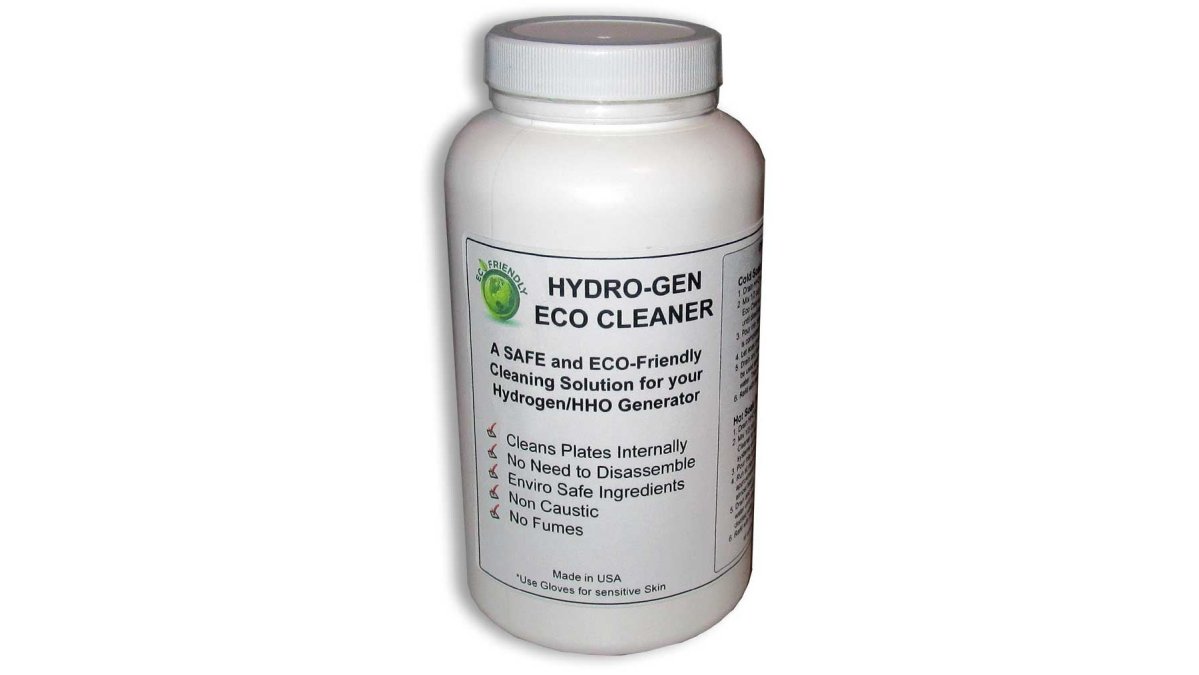
There is no single best additive for every engine, but hydrogen cleaning offers a distinct advantage: it works during normal combustion without harsh chemicals. Chemical additives can help with mild deposits, but they may not reach hard-to-access areas like the intake manifold or combustion chamber effectively. An HHO generator produces hydrogen gas on demand, which acts as a combustion catalyst to help burn off carbon deposits gradually. For maintaining your HHO generator itself, use the HYDRO-GEN ECO-CLEANER ($23.95) to remove internal buildup.
Potential downsides include the risk of loosened carbon deposits clogging the catalytic converter or oxygen sensor if cleaning is too aggressive, especially on neglected engines. Some methods require disassembly or harsh chemicals. With an HHO generator, cleaning is gradual and occurs during normal driving, reducing the risk of sudden clogs. However, if your engine has severe deposits, you may need multiple cleaning cycles. Always monitor for symptoms like reduced power or increased emissions after cleaning.
HHO carbon cleaning is generally safe for most gasoline and diesel engines when installed correctly. The H2XTRME kits are designed for engines from 1.1 liters to 6.7 liters, covering most cars and trucks. For diesel engines, a diesel tuner is required. Older carbureted engines can use the kit without a tuner. However, if your engine has pre-existing damage or very high mileage with severe deposits, consult a mechanic first. The gradual cleaning process minimizes risks compared to aggressive chemical flushes.

Subscribe to our newsletter and always be the first to hear about what is happening.
© 2026 HHOKitsDirect.com
Designed by Out of the Sandbox. Powered by Shopify


Note and Disclaimer: Hydrogen or Hydroxy gas and hydrogen cells are experimental technologies, results vary depending on application success is not guaranteed.
Editorial Team
Author