
Last Updated: October 20, 2026
An HHO generator is an electrolysis device that splits water into hydrogen and oxygen gas using an electrolyte solution and charged stainless-steel plates. Skip the upkeep, and that same process quietly coats your plates, fouls your electrolyte, and drags gas output down week by week.
Here's the part most owners learn the hard way: an HHO system doesn't fail suddenly. It fades. Output drops, the engine feels flat, and by then the plates have a hard mineral film that takes hours to strip.
This guide from HHOKitsDirect walks through the full maintenance routine, from weekly checks to a proper seasonal shutdown. Below, we'll show you exactly how to maintain an HHO generator so it keeps producing gas at the rate it did on day one.
A hydrogen generator maintenance checklist splits cleanly into three tiers. Weekly checks catch small issues fast, monthly service handles fluid and connections, and annual work covers deep cleaning and inspection.

Here's the full schedule at a glance:
| Interval | Task | Time Needed | Why It Matters |
|---|---|---|---|
| Weekly | Check water level and top off | 5 minutes | Prevents dry plates and overheating |
| Weekly | Inspect hoses and wiring | 5 minutes | Catches leaks and loose terminals early |
| Monthly | Check electrolyte concentration | 15 minutes | Keeps gas output steady |
| Monthly | Clean exterior and vents | 10 minutes | Stops dust buildup and heat rise |
| Monthly | Check filter and humidifier bottle | 10 minutes | Protects gas purity |
| Annually | Drain, flush, and deep clean | 1-2 hours | Removes mineral film and restores output |
| Annually | Replace filter and inspect plates | 30 minutes | Prevents long-term corrosion |
Start with the water level. Check it cold, before a drive, and top off to the marked line with a pre-mixed activator solution, not tap water alone.
Then run a quick visual pass:
Once a month, test electrolyte concentration and top off with activator as needed. A common approach is to check the color and clarity of the solution too. Cloudy or dark fluid means contamination and a flush is due.
Wipe down the exterior and clear the vents. Dust accumulation on the chamber raises operating temperature, and heat shortens plate life.
Plan one full service each year, ideally in spring. Drain the system, flush it, deep clean the plates, replace the filter, and inspect all wiring and connections. This is also the right time to check for corrosion on the terminals and replace anything that looks worn.
You can clean HHO generator plates without pulling the unit apart, and for most owners that's the smarter move. Disassembly risks gasket damage and voided warranty coverage. A chemical soak does the same job in place.
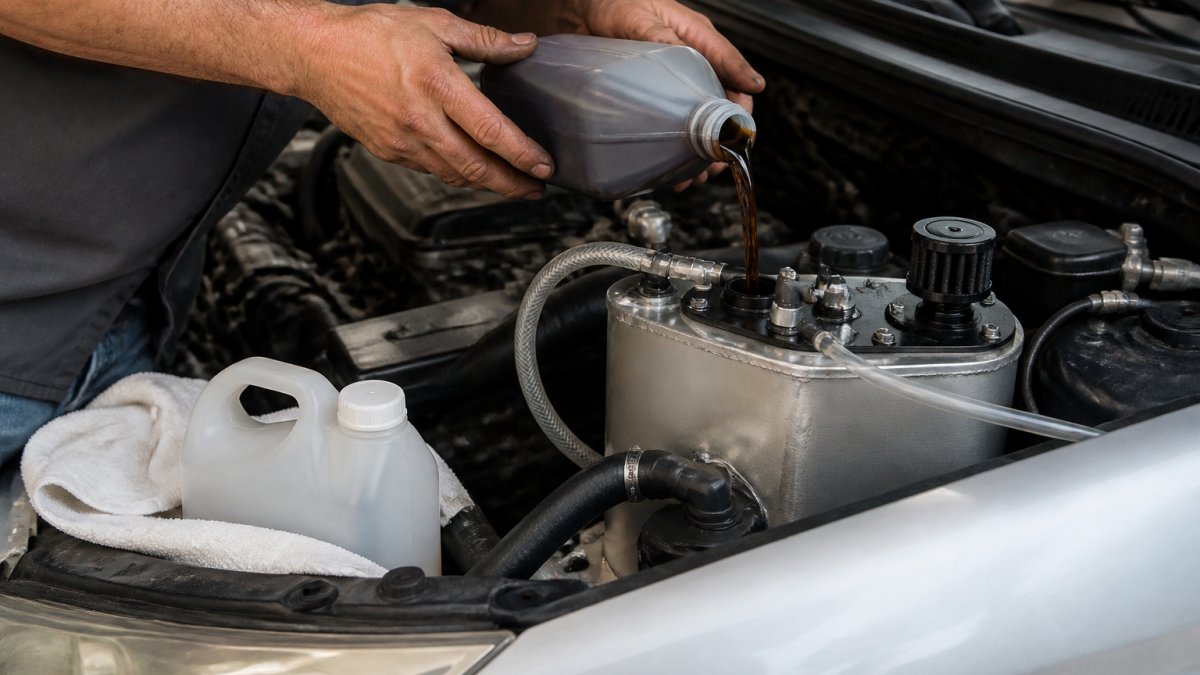
Here's the sequence we recommend:
Numbers beat guesswork. A simple maintenance log turns vague "it feels weak" complaints into a diagnosis. Record five readings at every service: electrolyte specific gravity, water level, current draw, cell temperature, and gas output. Compare each against your kit manual's baseline, not against a generic number, because cell design and plate count change the expected values.


Electrolyte concentration. Specific gravity is the practical field test. A hydrometer rated for the range your manual specifies lets you confirm the mix instead of guessing by color. Too weak and current draw drops, so gas output falls. Too strong and you get foaming, excess heat, and faster plate wear. Log the reading monthly and after every top-off.
Water level. Check cold, at the marked line. A level that keeps dropping between checks points to a leak or excess heat, not normal consumption. Note how much you add each week, a rising trend is an early warning.
Current draw and voltage. Clamp an ammeter around the feed wire and record amps at a steady supply voltage. A draw that climbs over time usually means rising resistance from plate fouling or a weakening electrolyte. A draw that falls can mean a spent mix or a loose connection.
Cell temperature. Use an infrared thermometer on the chamber after a fixed run time. Compare to the same reading taken when the unit was new. A steady upward drift means clogged vents, a failing cooling path, or an over-strong mix.
Gas output and purity. Output is your end-of-line check: time how long the unit takes to fill a known-volume container, or use the flow indicator your kit provides. For purity, follow the manual's method, many kits specify a bubbler or detector check. A drop in output with normal water and electrolyte points to plate fouling first.
Most HHO generator troubleshooting comes down to three symptoms. Here's how to read each one.
Low gas output. Check electrolyte strength first, then plate condition. Weak solution or a mineral film on the plates are the usual culprits. Clean and remix before assuming a hardware failure.
Leaks. Look for white crust at joints, a dropping water level, or a faint hiss. Tighten clamps, replace cracked hose, and recheck. Never ignore a leak near the electrical terminals.
Overheating. Dust-clogged vents, a weak cooling system, or an over-strong electrolyte mix all drive temperature up. Clear the vents, verify the cooling path, and confirm your mix ratio.
A common mistake is chasing a hardware fix when the real problem is dirty fluid. Drain, flush, and refill before you buy parts.
Proper storage prevents the two worst outcomes: cracked chambers from freezing and seized plates from sitting in old fluid. The sequence matters as much as the steps, so follow this order.
Shutdown and draining
Restart procedure
Oxyhydrogen is genuinely flammable, and that fact should shape how you maintain the system. Hydrogen gas ignites easily and burns with a nearly invisible flame (Safe Use of Hydrogen).
Keep these safety precautions in front of you:
This is HHO-specific territory. Industrial hydrogen generators run under different codes and controls, so don't borrow their maintenance habits for a vehicle-mounted HHO unit. Follow your kit maker's guidance and any local rules on hydrogen storage.
The real challenge with HHO upkeep isn't complexity. It's consistency. A five-minute weekly check and one honest annual deep clean do more for gas output and plate life than any single repair.
At HHOKitsDirect, we build our kits to make that routine simple. Our 5th generation H2XTRME generators use a chemically welded, permanently sealed container with internal plate retainers that eliminate gaskets, and they carry a Limited Lifetime warranty. Fewer parts to fail means less time under the hood.
Get started with HHOKitsDirect and keep your system producing clean gas season after season. Read more here to understand this technology.
Most HHO generators need a deep clean every 6 to 12 months, depending on how many hours the system runs and how hard your water supply is. A cold soak with a dedicated internal plate cleaner, like the HYDRO-GEN ECO-CLEANER, breaks down buildup without disassembly. If you notice gas output dropping or the water turning dark faster than usual, clean sooner. A yearly drain, flush, and refill keeps the electrolyte fresh and protects the stainless-steel plates.
Before restarting, inspect all hoses and fittings for cracks or loose clamps, check that the flashback arrestor is clear, and confirm the electrical connections are tight. Refill with fresh water and a new batch of electrolyte, since stored solution loses concentration and can freeze or separate. Run a leak test with soapy water at every joint, then watch the first 10 minutes for unusual current draw or overheating. A quick restart checklist prevents most post-storage failures.
The clearest sign is a gas smell near the unit or a slow drop in water level with no visible spill. Brush soapy water on every hose connection, the chamber lid, and the fittings; bubbles mean a leak. Also check for reduced gas output and higher current draw than normal. Fix leaks before running the generator again, because oxyhydrogen is flammable and small leaks compound quickly in an enclosed engine bay.
Low gas output usually traces to three causes: weak electrolyte, dirty plates, or a failing electrical connection. Test the electrolyte concentration first, then inspect the plates for scaling or discoloration. If the plates look coated, run a cleaning cycle with an internal plate cleaner and refill with fresh activator. Check voltage at the terminals and look for corroded wiring. If output stays low after all three checks, the cell itself may need service or replacement.

Subscribe to our newsletter and always be the first to hear about what is happening.
© 2026 HHOKitsDirect.com
Designed by Out of the Sandbox. Powered by Shopify


Note and Disclaimer: Hydrogen or Hydroxy gas and hydrogen cells are experimental technologies, results vary depending on application success is not guaranteed.
Editorial Team
Author