
Last Updated: October 25, 2026
Quick Summary
A hydrogen combustion catalyst lowers the temperature at which hydrogen burns and changes the exhaust mix, which can reduce carbon monoxide and unburned hydrocarbons while improving combustion efficiency. Catalytic hydrogen combustion runs below the thermal-NOx threshold, delivering ultra-low NOx emissions compared with conventional hydrogen-air combustion. Benefits depend on the specific technology and operating window.
A hydrogen combustion catalyst is a material or system that changes how hydrogen burns, lowering the temperature at which combustion occurs and altering the mix of gases that come out of the tailpipe. The term gets used loosely online and the benefits of a hydrogen combustion catalyst depend entirely on which version of the technology you mean. The research is clear that catalytic hydrogen combustion can reduce nitrogen oxide emissions and improve safety by burning hydrogen at a lower temperature, according to a 2024 review by Yuan et al. on catalysts and substrates in catalytic hydrogen combustion. That is a real, measurable effect. It is also a laboratory and industrial finding, not a guarantee about any aftermarket device bolted to a truck.
The distinction matters because most drivers searching this topic want lower fuel bills and a cleaner engine, while most of the published science describes burners, turbines, and test rigs.
These are different technologies and they get confused constantly. A fuel-cell catalyst drives an electrochemical reaction that produces electricity from hydrogen with no flame at all. A combustion catalyst instead affects a flame, or in an engine, a hydrogen-enriched fuel charge. The two share materials science but nothing else, and a benefit proven for one tells you little about the other. Keep that split in mind as we go, because it explains why some claims about catalysts are solid and others fall apart under scrutiny.
Hydrogen-enriched combustion feeds a small amount of hydrogen into the intake air alongside the normal hydrocarbon fuel, and that addition changes how the cylinder charge ignites and burns. Hydrogen ignites at a lower energy threshold than gasoline or diesel, so the flame front starts sooner and spreads faster. In practice, this means a more complete burn of the fuel already in the cylinder, which is the mechanism behind most of the efficiency claims you'll read about. The hydrogen itself carries energy content too, but in an on-demand system the volume is small relative to the fuel.
Here's what most guides miss: the benefit is not the hydrogen acting as fuel. It is the hydrogen acting as a combustion improver for the fuel you already paid for. That is why an on-demand generator that produces hydrogen from water as you drive can make a difference without a hydrogen tank.
The first measurable benefit of more complete combustion is a drop in carbon monoxide and unburned hydrocarbons, the two pollutants that signal fuel escaping the cylinder unburned. When the flame front reaches more of the fuel-air charge, less carbon monoxide forms and fewer hydrocarbon molecules exit the exhaust valve intact. A 2021 study by Kozhukhova et al. on catalytic hydrogen combustion reported that adding 20 percent hydrogen by volume decreased COx emissions by 2 percent. That is a modest figure, and the same study notes that hydrogen enrichment can carry a sustainability caveat, so treat it as directional evidence rather than a headline.
For a high-mileage engine, the practical payoff shows up as less carbon loading on valves and pistons over time, which is one reason we see owners of older vehicles take an interest in these systems.
Hydrogen-assisted combustion emissions are not automatically clean, and any guide that tells you otherwise is selling you something. A 2021 analysis by Lewis et al. on air quality in a hydrogen economy states plainly that hydrogen combustion leads to NOx, a key air pollutant.
Why hydrogen changes the NOx picture. Hydrogen burns with a higher adiabatic flame temperature than gasoline or diesel in a stoichiometric mixture, and thermal NOx formation rises sharply above roughly 1,500 to 1,600 degrees Celsius.
Catalytic combustion is the temperature-control answer. Catalytic combustion runs at a lower temperature than a conventional hydrogen-air flame, and a 2021 review by Kim et al. on advances in catalytic hydrogen combustion found that catalytic hydrogen combustion shows higher safety and efficiency with ultra-low NOx emissions compared with conventional hydrogen-air combustion.
What this means for a hydrogen-enriched engine. In an engine fed a small hydrogen fraction, the effect on NOx depends on tuning. If emissions testing is your reason for looking at this technology, read our breakdown of whether HHO actually helps you pass an emissions test before you spend anything.
Hydrogen fuel economy claims deserve a skeptical eye, because the fuel savings come from combustion efficiency rather than from the hydrogen itself. A faster, more complete burn extracts more work from each gallon of gasoline or diesel, and that is where any mileage gain originates. The magnitude depends on engine condition, tuning, and how much unburned fuel was escaping before. A worn engine with carbon buildup has more room to improve than a tight, low-mileage one.
NEW! H2XTRME HHO KIT - for SMALL size engines from 1.1 liters to 3.7 liters →
We publish a mileage results chart from real customers rather than quoting a single number. On the production side, the International Energy Agency's Future of Hydrogen report projected that the cost of producing hydrogen from renewable electricity could fall 30 percent by 2030, which matters for the long-term economics of hydrogen fuel but does nothing for your fuel bill this month.
Hydrogen combustion catalyst limitations fall into four practical buckets: evidence quality, catalyst deactivation, thermal and materials durability, and the gap between lab results and road results. The published research covers catalytic burners, hydrogen engines, and hydrogen production. None of the supplied studies provides a measured case study of an aftermarket HHO kit on a conventional vehicle, so anyone claiming laboratory-grade proof for a bolt-on device is overstating the record. We would rather tell you that plainly than dress up a projection as a measurement. Distinguishing between controlled experimental parameters and real-world performance requires a nuanced understanding of how molecular hydrogen research is interpreted across different scientific contexts.
Catalyst deactivation is the first real constraint. A combustion catalyst loses activity through three well-documented routes. Thermal sintering coarsens the active metal particles when the catalyst bed runs above its design window, permanently reducing surface area. Poisoning occurs when sulfur, phosphorus, or trace metals in the fuel or lubricant bind to active sites; hydrogen streams derived from hydrocarbons can carry these contaminants unless purified. Fouling and coking deposit carbon or ash on the surface and block access to active sites, which is reversible only with a controlled burn-off or regeneration cycle.
Operating conditions define the window. Catalytic hydrogen combustion typically runs at lower temperatures than a conventional hydrogen-air flame, which is the source of its ultra-low NOx behavior, but that same low-temperature operation means the catalyst must light off reliably and stay above its light-off temperature across the load range. Below light-off, conversion collapses; above the material's limit, sintering accelerates.
Materials and corrosion resistance decide durability. Catalyst substrates and washcoats must survive thermal cycling, and metallic components in a hydrogen generator face corrosion from the electrolyte and from dissolved oxygen. If engine damage is your worry, our article on whether HHO kits damage engines covers the mechanical risks directly.
Cost and maintenance are the trade-offs competitors rarely quantify. Catalyst cost is driven by the precious-metal loading and the substrate, and replacement or regeneration adds to lifetime cost. A realistic maintenance plan accounts for electrolyte quality, water purity, and periodic inspection of plates and seals.
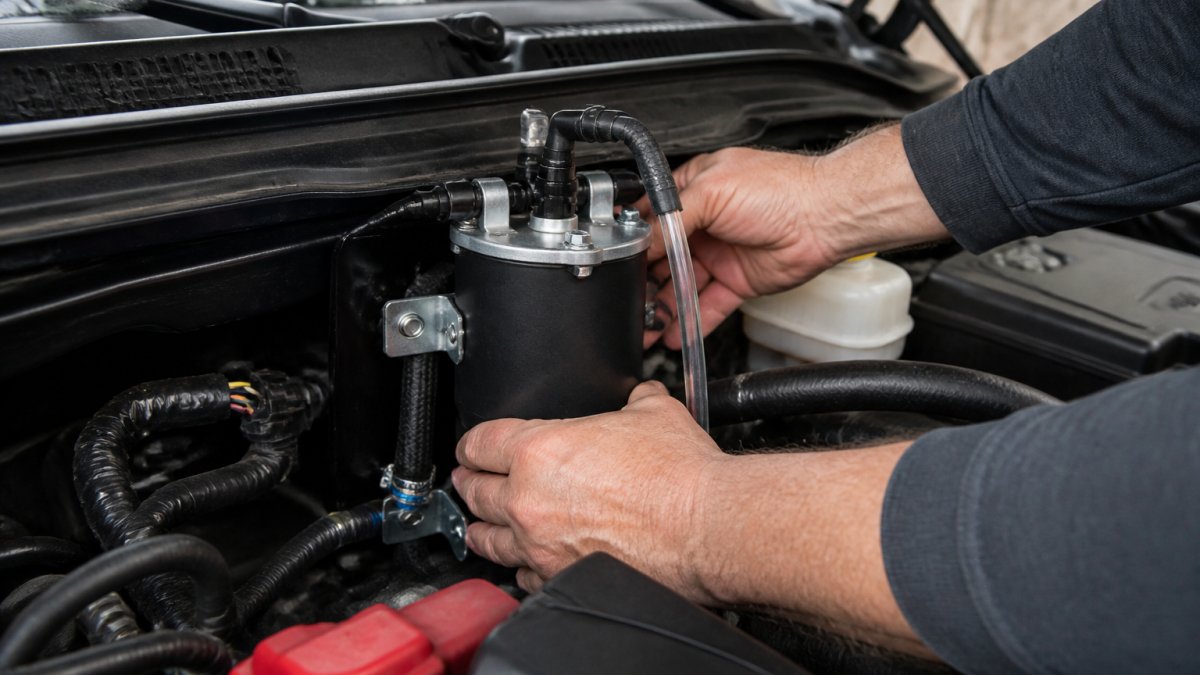
Engine displacement decides which kit fits. Our H2XTRME line covers three displacement bands, and each kit ships with the generator, reservoir, filter, hose, wire, mounting brackets, and hardware needed to install it.
| Engine Displacement | Kit | Generator Spec | Price | Best For |
|---|---|---|---|---|
| 1.1 to 3.7 liters | H2XTRME 882 | 13 plates, 3.5" thick | $597.00 | 4-6 cylinder cars and small trucks |
| 3.8 to 6.7 liters | H2XTRME 883 | 19 plates, 4.5" thick | $747.00 | Large 6-cylinder and V8 engines |
| 6.8 to 12.0 liters | H2XTRME 884 | 25 plates, 6" thick | $897.00 | V8 to V10 trucks, RVs, and heavy haulers |
For a 4-6 cylinder engine, the small-engine H2XTRME kit for 1.1 to 3.7 liters is the correct match. Medium-displacement V8s take the 883 Ultra Slim HHO generator kit, and large trucks and RVs take the 884 Ultra Slim kit for 6.8 to 12 liters. Tuner choice matters as much as size: carbureted engines run the no-tuner option, fuel-injected gas engines from 1987 onward use the gas tuner, and every electronically controlled diesel uses the diesel tuner.


The hard part of this topic is separating a genuine combustion effect from a marketing claim. HHOKitsDirect builds kits around the parts that actually determine whether the effect holds up: 5th generation H2XTRME generator technology, a permanently sealed welded container that eliminates gasket leaks, and installation that needs only two electrical terminals and two hose connections. Every H2XTRME generator carries a Limited Lifetime warranty.
A hydrogen combustion catalyst is a material or system that helps hydrogen burn at a lower temperature and more completely than it would in ordinary hydrogen-air combustion. Research reviews, including Yuan et al. (2024), describe catalytic hydrogen combustion as a way to reduce nitrogen oxide emissions and improve safety by lowering combustion temperature. In the aftermarket world, the term is also used loosely for on-demand HHO generators that feed small amounts of hydrogen into the intake to act as a combustion catalyst. These are related but not identical technologies, and the evidence for each differs.
The research supplied here does not contain a measured case study of an aftermarket HHO kit improving fuel economy, so treat mileage claims with care. What the data does show is that adding 20 vol% hydrogen to a combustion process cut COx emissions by 2% (Kozhukhova et al., 2021), and that catalytic hydrogen combustion can improve combustion efficiency. Real-world fuel savings depend on engine condition, tuning, and how much hydrogen is actually produced. Ask any supplier for a mileage results chart from real customers before you buy.
No. A fuel cell converts hydrogen and oxygen into electricity through an electrochemical reaction, with water as the only tailpipe output. Hydrogen combustion burns hydrogen in an engine cylinder, which produces zero tailpipe CO2 but still generates nitrogen oxides (NOx) because of the high flame temperature. Lewis et al. (2021) warn that hydrogen combustion leads to NOx, a key air pollutant. Fuel-cell catalysis and combustion catalysis use different materials and serve different purposes, so evidence from one does not transfer to the other.
A dedicated hydrogen engine needs substantial changes to fuel delivery, ignition, and materials. A hydrogen-enriched combustion setup, by contrast, feeds a small amount of HHO gas into the intake of a normal gasoline or diesel engine. HHOKitsDirect's H2XTRME kits are built for this: each unit needs only two electrical connections and two hose connections, and the sealed, chemically welded container eliminates gaskets. Choose the tuner option that matches your fuel system, then follow the illustrated manual to add water and activator.

Subscribe to our newsletter and always be the first to hear about what is happening.
© 2026 HHOKitsDirect.com
Designed by Out of the Sandbox. Powered by Shopify


Note and Disclaimer: Hydrogen or Hydroxy gas and hydrogen cells are experimental technologies, results vary depending on application success is not guaranteed.

Editorial Team
Author